
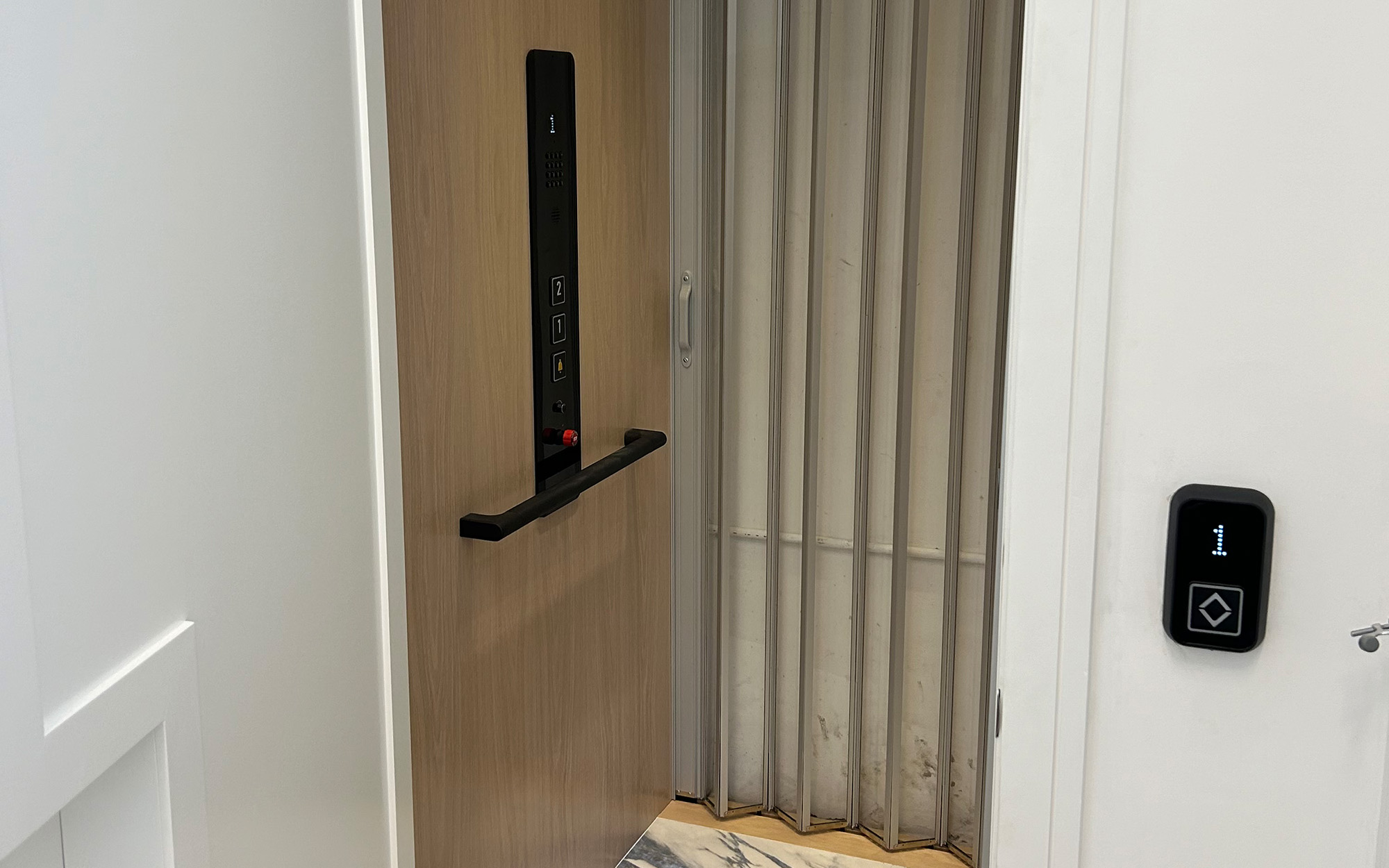
Choosing between the different types of home elevators involves design, planning, and long-term ownership decisions that directly affect how your home feels and functions. For Florida homeowners, that choice is even more nuanced. Each option behaves differently in Florida homes, especially when you factor in humidity, coastal exposure, flooding risk, and whether the project is a new build or a renovation. Understanding those differences early helps homeowners avoid poor-fit solutions and plan with confidence.
This guide breaks down the most common types of home elevators, explains how they perform in real Florida conditions, and highlights which systems make the most sense for new construction versus retrofits.
Why Florida Homes Require a Different Elevator Conversation
In Florida homes, high humidity, salt air in coastal areas, and the risk of power outages during storms all place additional stress on residential elevator systems. Materials, mechanical design, and backup features also matter more here than in many other regions.
Another key consideration is construction style. Florida homes often feature concrete slabs, multi-story open layouts, and hurricane-resistant structural requirements. These factors directly impact shaft planning, machine placement, and long-term serviceability.
That’s why elevator planning for new construction or renovation should always be informed by local expertise rather than just product marketing.
The 4 Main Types of Home Elevators
There are four primary types of home elevators homeowners encounter during the planning phase. While not all are equally common today, understanding how each works helps clarify why certain systems are better suited for modern homes.
- Hydraulic elevators
- Traction elevators (including machine-room-less options)
- Winding drum elevators (largely outdated)
- Screw-driven lifts
Each system differs in space requirements, ride quality, maintenance profile, and suitability for Florida conditions. Let’s break down how each performs in real-world use.
#1: Hydraulic Home Elevators
Hydraulic elevators have been a long-standing option for residential spaces. They use a piston powered by hydraulic fluid to move the cab vertically and typically require a separate machine room.
From a performance standpoint, hydraulic systems can deliver a smooth ride. However, they come with tradeoffs that matter in Florida homes. The presence of oil introduces flood-related risk, as water intrusion can contaminate the system. Hydraulic components are also more sensitive to heat and humidity over time, which can accelerate wear.
Hydraulic elevators are becoming less common, especially as homeowners and builders prioritize efficiency, reduced footprint, and long-term reliability. While still viable in certain controlled environments, they are no longer the default choice for luxury homes.
#2: Traction Elevators (Including Machine-Room-Less Systems)
Traction elevators, particularly modern machine-room-less (MRL) designs, are becoming viewed as the gold standard among residential elevator options. These systems use a motor and counterweight instead of hydraulic fluid, eliminating the need for oil entirely.
Traction systems require less space, integrate more cleanly into architectural plans, and are easier to protect from flooding risks. For Florida homeowners concerned about storm preparedness, traction elevators also pair well with battery backup systems and manual lowering capabilities, ensuring usability during power outages.
From a lifestyle perspective, traction elevators are often considered the quietest home elevator system, with smooth starts and stops that feel refined rather than mechanical. This makes them especially well-suited for multi-story luxury homes where ride quality and noise control matter daily.
#3: Winding Drum Elevators
Winding drum elevators use a motorized drum and cable system to raise and lower the cab. While once common, they are now widely considered outdated and are no longer a focus for most premium manufacturers.
These systems typically require more overhead space, produce more operational noise, and lack the refined ride quality expected in modern luxury homes. While they may still appear in older properties, winding drum systems are rarely recommended for new Florida installations.
#4: Screw-Driven Lifts
Screw-driven lifts are the most space-efficient of all types of home elevators. Instead of cables or pistons, they operate using a threaded drive mechanism. One key distinction is that these systems typically require the user to hold the button continuously during travel.
Their compact footprint makes screw-driven lifts particularly attractive for renovation scenarios. Because they do not require a traditional shaft to be built, they are often the best home elevator for a renovation where space or structural modification is limited.
However, screw-driven systems are generally less refined in ride quality and noise compared to traction elevators. They serve a specific purpose but may not align with the expectations of homeowners who prioritize comfort and seamless design integration.
Matching the System to the Construction Scenario
Choosing between home elevator retrofit options and systems designed for new construction requires a different planning mindset.
For new builds, early coordination allows homeowners to optimize shaft placement, door alignment, and mechanical integration. This opens the door to traction systems that deliver superior ride quality and long-term reliability. Many homeowners searching for the best home elevator for new construction ultimately choose traction systems for these reasons.
Renovations, by contrast, often involve tighter constraints. Ceiling heights, existing layouts, and structural limitations can quickly eliminate certain systems. In these cases, screw-driven lifts or carefully planned traction retrofits may offer the most practical solution.
The key is matching the system to the home—not forcing the home to adapt to the system.
Florida-Specific Ownership Considerations
Beyond installation, long-term ownership is where system differences become most apparent. Florida’s climate accelerates wear on certain materials, making durability and serviceability critical factors in any home elevator comparison.
Flooding risk is a major concern, particularly for ground-level components. Systems without hydraulic fluid are inherently easier to protect. Power outages are another reality, which is why battery backup and manual lowering features are essential for home elevator systems for coastal homes.
Maintenance expectations also vary. Some systems require more frequent service or specialized components, which can affect long-term cost and convenience.
How System Choice Affects Resale and Perception
Most homeowners don’t think about resale when choosing between the different types of home elevators, but future buyers certainly will. A well-integrated, quiet, and visually cohesive elevator enhances perceived home value. A poorly chosen system can feel like an afterthought.
Luxury buyers tend to notice ride quality, noise, and how naturally the elevator fits within the home’s architecture. Choosing the right system early protects long-term market appeal.
Builder Coordination and Early Planning Matter More Than You Think
One of the most overlooked aspects of home elevator installation in Florida is coordination with builders and architects. Shaft dimensions, pit depth, and overhead clearance all vary by system type. Decisions made too late often result in compromises that affect performance or aesthetics.
Early planning allows for cleaner integration, better space utilization, and fewer costly changes during construction. It also ensures the chosen system aligns with the home’s design goals and long-term expectations.
Let Access Lifts Florida Help You Choose the Right Elevator With Confidence
With so many types of home elevators available, the best choice is rarely the cheapest or the smallest. It’s the one that fits your home, your expectations, and Florida’s unique conditions without compromise.
At Access Lifts Florida, the focus is on delivering a refined, honest experience backed by a global manufacturing partnership with Cibes and a deep local portfolio. If you’re comparing types of home elevators or exploring residential elevator options for a Florida home, reach out to discuss your and move forward with a solution that truly fits your home and lifestyle.