
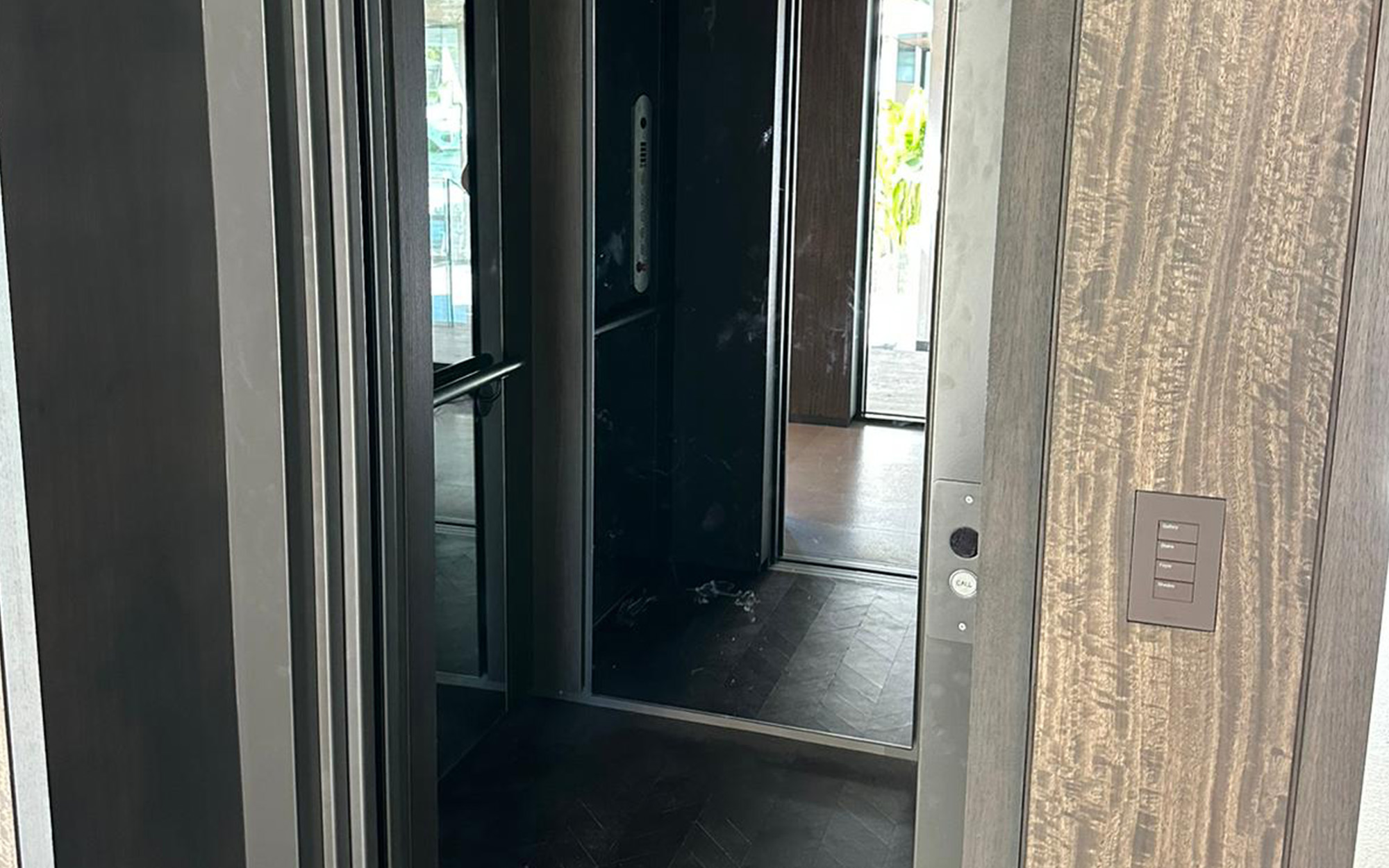
Some Florida homeowners associate elevators with accessibility needs, while others see them as a convenience or even a design statement. But in high-end homes, these categories often overlap more than people expect.
An elevator for luxury living isn’t about choosing between need and want. It’s about creating a home that functions today while remaining refined, flexible, and future-ready. When designed intentionally, a luxury elevator enhances architecture, improves daily flow, and quietly supports long-term usability without ever feeling clinical or out of place.
Learn how luxury, accessibility, and convenience intersect in private Florida residences to support confident, design-forward decisions.
Luxury, Accessibility, and Convenience: Not Separate Conversations
Luxury and accessibility are often framed as opposing goals, but they often overlap in reality. Accessibility prioritizes function and compliance. Convenience prioritizes ease, flow, and comfort. Luxury brings those ideas together through thoughtful execution.
For many Florida homeowners, convenience is the starting point. An elevator simplifies daily routines, improves circulation in large homes, and supports entertaining across multiple levels. Over time, those same benefits naturally support accessibility without requiring visible accommodations.
An elevator for luxury homes allows homeowners to plan proactively rather than reactively. Instead of responding to a future need, the home is designed to adapt without changing how it looks or feels today.
What Truly Defines an Elevator for Luxury
Luxury is not defined by one feature or finish. It’s defined by cohesion and experience. A luxury elevator feels like it belongs in the home, both visually and functionally.
For instance, luxury elevators consistently deliver:
- Seamless integration with architectural style and layout
- Quiet, smooth operation with minimal vibration
- Materials and finishes selected for both aesthetics and durability
- A refined presence that enhances the home rather than drawing attention
This is why custom home elevators and private residence elevators feel fundamentally different from standard systems. They are designed to be lived with comfortably, not simply relied upon when necessary.
Why Accessibility-First Solutions Are Functional but Often Limiting
Accessibility-focused systems play an important role in mobility solutions for homes, but they are designed with a narrow objective of functionality above all else. In luxury environments, that focus can introduce unintended compromises.
Here’s where accessibility-first systems often fall short:
- Limited interior finishes and design flexibility
- Door systems that interrupt sightlines or architectural symmetry
- Increased operational noise or mechanical presence
- A visual character that feels institutional over time
These systems may perform exactly as intended, but performance alone does not define satisfaction. Understanding the difference between luxury and accessibility home elevators helps homeowners avoid solutions that technically work but fail to support the home’s overall experience.
Convenience as a Strategic Design Choice
Convenience is not a compromise between luxury and accessibility; instead, it is a strategic design decision that supports both. In high-end homes, convenience-driven features often reflect foresight rather than excess.
An elevator for luxury homes improves how space is used every day. Moving between floors becomes effortless, whether carrying groceries, welcoming guests, or navigating expansive layouts. These benefits are immediately felt, even when accessibility is not a primary concern.
This approach resonates strongly with Florida homeowners who value homes that feel intuitive and easy to live in. Convenience-focused planning creates residences that support long-term comfort without ever redefining the home’s purpose.
Where Luxury Becomes Personal With Customization
Customization is one of the clearest distinctions between luxury and accessibility solutions. High-end elevator options offer extensive elevator customization options, allowing homeowners to align the system with their architectural vision.
From stainless steel to bronze, gold, or fully bespoke finishes, luxury elevators can be tailored to complement modern coastal homes or classic estates. Door styles, cab proportions, lighting, and controls all play a role in shaping the final experience.
Customization also affects longevity. Materials that perform well in Florida humidity, finishes that resist corrosion, and lighting that enhances perceived space help ensure the elevator continues to feel intentional years after installation. This is why custom home elevators tend to age better both visually and emotionally.
Ride Quality, Sound, and the Experience of Use
Luxury is often felt before it is seen. Ride smoothness, sound control, and vibration management significantly influence how an elevator is perceived day to day.
Accessibility-first systems prioritize movement. Luxury systems prioritize motion. An elevator for luxury living starts and stops gently, operates quietly, and minimizes mechanical intrusion into surrounding spaces.
These qualities are often underestimated during planning, but they become some of the most appreciated aspects of ownership. Many homeowners only recognize the difference after living with the elevator, when refined performance becomes part of daily life.
Architectural Integration and Spatial Flow
In modern luxury homes, elevators are no longer hidden utilities. They are architectural elements that influence flow, balance, and proportion throughout the home.
Thoughtful placement preserves sightlines, supports furniture layout, and reinforces symmetry across floors. Poor placement, by contrast, can make even well-finished systems feel intrusive or awkward.
An elevator for luxury homes is coordinated early with architects and builders to ensure placement feels intentional. This level of planning is especially important in Florida estates with open layouts, large windows, and strong indoor-outdoor connections.
Florida-Specific Factors That Shape Luxury Decisions
Florida’s environment introduces unique considerations. Humidity, salt air, and storm-related power disruptions all influence how elevator systems perform and age. These factors are especially relevant when evaluating estate accessibility upgrades.
Luxury-focused solutions prioritize corrosion-resistant materials, sealed components, and reliable backup systems. These features protect performance without sacrificing aesthetics. Accessibility-first systems may function adequately but often lack the refinement expected in high-end coastal homes.
Guest Perception, Resale Value, and Long-Term Appeal
Luxury homes are evaluated holistically, and elevators are no exception. Buyers and guests notice when an elevator feels planned versus improvised.
Quiet operation, cohesive finishes, and smooth travel reinforce the perception of quality. In contrast, visibly accessibility-focused systems can subtly shift how a home is perceived—even if they perform well.
This distinction becomes especially clear when comparing a luxury home elevator vs wheelchair lift in estate settings. Both serve important purposes, but they communicate very different messages about the home’s intent and value.
Accessibility as Part of Thoughtful Estate Planning
Luxury homeowners still consider accessibility, but they approach it strategically. Estate accessibility upgrades are most successful when they are integrated early and discreetly.
An elevator for luxury homes supports mobility without redefining the home’s character. It allows homeowners to plan for flexibility while fully enjoying the present—without compromise or visible adaptation.
Making the Right Elevator Choice for Your Home With Access Lifts Florida
Access Lifts Florida approaches every project as a curated experience. With local expertise, a refined portfolio, and the backing of our global manufacturer Cibes, our focus remains on honest guidance, clear expectations, and results that stand the test of time.
If you’re exploring an elevator for luxury living or considering how convenience and accessibility fit into your Florida estate, we’re here to help. Reach out to start a conversation grounded in experience, design, and long-term value.